Islamic Art and Architecture: A Journey Through Time

Islam is one of the world’s major religions, with over 1.9 billion followers globally, known as Muslims. This faith is built on five fundamental pillars, which guide the spiritual and ethical lives of its adherents.

The Five Pillars of Islam

  1. Shahada (Faith): The declaration of faith is the cornerstone of Islam. It states, “There is no god but Allah, and Muhammad is His messenger.” This profession emphasizes monotheism in Islam.

  2. Salah (Prayer): Muslims are required to pray five times a day facing the Kaaba in Mecca. These prayers serve as a reminder to maintain a close connection with Allah throughout daily life.

  3. Zakat (Charity): This pillar underscores the importance of charity and social responsibility. Muslims are mandated to give a portion of their wealth to help those in need, promoting economic equality.

  4. Sawm (Fasting during Ramadan): Every year, during the month of Ramadan, Muslims fast from dawn until sunset. This practice encourages self-discipline, reflection, and a sense of community.

  5. Hajj (Pilgrimage): Muslims who are physically and financially able must undertake the Hajj pilgrimage to Mecca at least once in their lifetime. This journey serves as a symbol of unity among Muslims.

Core Beliefs of Islam

Monotheism

At the heart of Islam is the belief in one God, Allah. This monotheistic view influences every aspect of a Muslim’s life, fostering a sense of accountability and purpose.

Prophets

Islam recognizes a long lineage of prophets, including figures like Adam, Noah, Abraham, Moses, Jesus, and Muhammad. Muhammad, as the final prophet, is believed to have completed God’s message to humanity.

The Quran

The Quran is considered the literal word of God, revealed to Muhammad over 23 years. It serves as the ultimate guide for Muslims in matters of faith, law, and personal conduct.

The Importance of Community in Islam

The sense of community, or Ummah, is a crucial aspect of Islam. It fosters solidarity among Muslims, encouraging them to support one another in faith and daily life.

Islamic Culture and Traditions

Islamic culture is incredibly diverse, influenced by various regions and ethnicities. From art and architecture to music and literature, these expressions of faith vary widely, yet remain rooted in core Islamic teachings.

Misconceptions About Islam

Despite its rich heritage, many misconceptions surround Islam. It’s essential to understand that acts of extremism do not represent the beliefs of the vast majority of Muslims, who live peaceful, productive lives.

Conclusion

Understanding Islam requires a nuanced approach that considers its teachings, values, and community life. By fostering open dialogue and education, we can promote mutual respect and understanding among all religions.

Trusted Resources

Keywords for SEO Optimization

  • Understanding Islam
  • Five Pillars of Islam
  • Core beliefs of Islam
  • Importance of community in Islam
  • Misconceptions about Islam
  • Islamic culture and traditions

This content is optimized for search engines while providing valuable insights into Islam, enhancing both understanding and appreciation of this global faith.
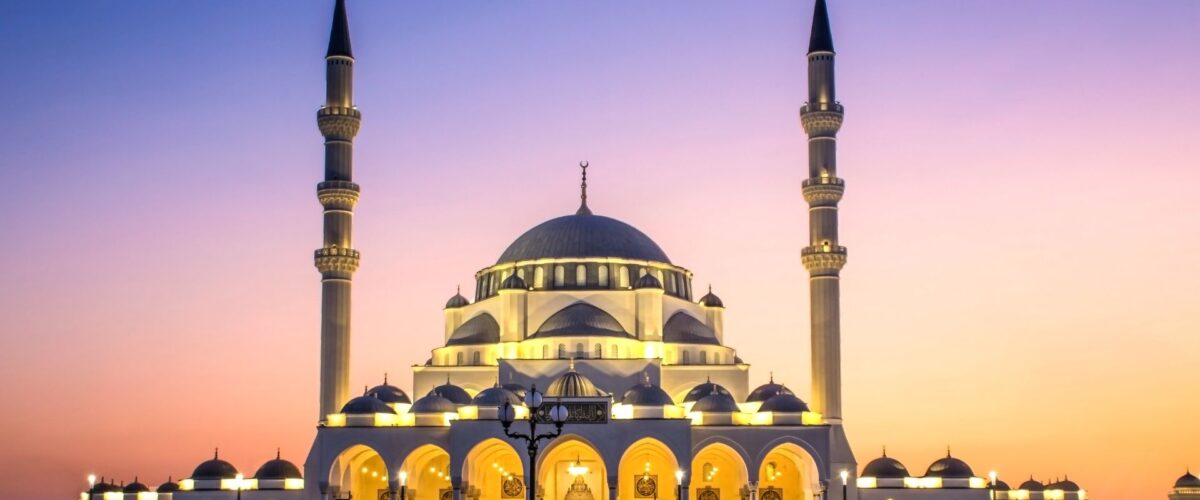
Islamic Art and Architecture: A Journey Through History

Islamic Art and Architecture: A Journey Through History

Understanding Islam: A Comprehensive Overview

Introduction to Islam

Islam is one of the world’s major religions, with over 1.9 billion followers, known as Muslims. It originated in the 7th century CE in Mecca, present-day Saudi Arabia, through the teachings of the Prophet Muhammad. The word "Islam" means "submission" in Arabic, reflecting the faith’s core principle of surrendering to the will of Allah (God).

Core Beliefs of Islam

  1. Tawhid (Monotheism): The central belief of Islam is in the oneness of Allah. Muslims believe that God is unique, merciful, and all-powerful.

  2. Prophethood: Muslims believe that Allah has sent prophets throughout history to guide humanity. Muhammad is considered the last prophet in a long line that includes figures such as Moses and Jesus.

  3. Holy Scriptures:

    • Qur’an: The most important religious text in Islam, believed to be the literal word of God as revealed to Muhammad.
    • Hadith: Collections of sayings and deeds of the Prophet Muhammad, which help guide Muslims in daily life.

  4. The Five Pillars of Islam: These are considered the framework of a Muslim’s life:

    • Shahada: Declaration of faith.
    • Salah: Ritual prayer performed five times daily.
    • Zakat: A form of almsgiving and taxation meant to redistribute wealth.
    • Sawm: Fasting during the month of Ramadan.
    • Hajj: Pilgrimage to Mecca, required once in a lifetime if financially and physically able.

Major Sects of Islam

Islam is broadly divided into two main sects:

  • Sunni: The largest denomination, comprising around 85-90% of Muslims. Sunnis follow the teachings of Muhammad and the consensus of the Muslim community.
  • Shia: Comprising about 10-15%, Shia Muslims believe that leadership should have stayed within the Prophet Muhammad’s family, specifically through his cousin and son-in-law, Ali.

Islamic Practices and Festivals

  • Daily Prayers (Salah): Performed five times a day facing Mecca, these prayers are a key element of Muslim worship.
  • Ramadan: A holy month of fasting, prayer, and reflection, commemorating the first revelation of the Qur’an.
  • Eid al-Fitr and Eid al-Adha: Major festivals celebrating the end of Ramadan and the willingness of Abraham to sacrifice his son as an act of obedience to God, respectively.

The Role of Women in Islam

Islam encourages the education and empowerment of women. While cultural practices vary across regions, many Islamic teachings promote gender equity and respect for women’s rights.

Common Misconceptions About Islam

  • Violence: A prevalent misconception is that Islam promotes violence. In reality, the vast majority of Muslims are peaceful, and the religion emphasizes compassion and moderation.
  • Misinterpretation of Jihad: Often mischaracterized, Jihad refers to the struggle for self-improvement and defense of the faith, not solely violence.

Conclusion

Islam is a complex and diverse faith that has significantly influenced various aspects of global culture, philosophy, and politics. Understanding its core beliefs, practices, and values is essential for fostering dialogue and coexistence among different cultures and religions.

Trusted Resources for Further Reading


SEO Optimization Tips

  • Title Tags: Use a clear, relevant title (e.g., "Understanding Islam: Beliefs, Practices, and Cultural Impact").
  • Meta Descriptions: Write concise meta descriptions to provide a summary of the content.
  • Headers and Subheaders: Use appropriate header tags (H1, H2, H3) for better structure and readability.
  • Keywords: Include relevant keywords like "Islam," "Muslim beliefs," "Five Pillars of Islam," and "Islamic practices" throughout the text.
  • Internal and External Links: Link to reputable sources and other relevant pages on your site to enhance the content’s credibility.

By providing well-researched information and optimizing for SEO, this overview of Islam can serve as a valuable resource for those seeking to understand this world religion deeply.