Islamic Rationalism: Bridging Faith and Reason in Philosophy

Certainly! Below is an informative SEO-optimized article about Islam, incorporating trusted resources.


Introduction to Islam

Islam is one of the world’s major religions, with over 1.9 billion followers worldwide, making it the second-largest religion after Christianity. Founded in the 7th century CE by the Prophet Muhammad in Mecca, Saudi Arabia, Islam has since grown to shape cultures, societies, and political systems across the globe.

Core Beliefs of Islam

Islam is built on five foundational pillars that guide the lives of its adherents:

  1. Shahada (Declaration of Faith): The testimony that there is no god but Allah and Muhammad is His messenger.

  2. Salah (Prayer): Muslims are required to pray five times a day facing Mecca.

  3. Zakat (Almsgiving): Faithful Muslims give a portion of their wealth to the needy, symbolizing charity and community support.

  4. Sawm (Fasting during Ramadan): From dawn to sunset, Muslims fast during the month of Ramadan to cultivate spiritual growth and empathy for the less fortunate.

  5. Hajj (Pilgrimage to Mecca): Every Muslim who is physically and financially able must make the pilgrimage to Mecca at least once in their lifetime.

The Scriptures of Islam

The Qur’an is the holy book of Islam, believed to be the literal word of God as revealed to Muhammad. The Hadith, a collection of sayings and actions of the Prophet, complements the Qur’an and serves as a source of guidance for Muslims.

Major Sects of Islam

Islam is broadly divided into two main sects:

  • Sunni: Comprising about 85-90% of Muslims worldwide, Sunnis follow the traditions established by the Prophet Muhammad and his companions.

  • Shia: Representing about 10-15%, Shia Muslims have distinct beliefs concerning the leadership of the Islamic community, emphasizing the role of Imams.

Islamic Contributions to Civilization

Throughout history, Islamic civilizations have made significant contributions to various fields, such as:

  • Science: Notable scholars like Avicenna and Al-Khwarizmi laid the groundwork for modern medicine and mathematics.

  • Art and Architecture: The stunning Alhambra in Spain and the intricate mosaics of the Blue Mosque in Istanbul exhibit the rich aesthetic traditions of the Islamic world.

  • Philosophy: Islamic philosophers contributed to Western thought, bridging gaps between ancient Greek philosophies and modern scientific inquiry.

Common Misconceptions about Islam

Islam is often subject to various misconceptions, particularly relating to its teachings and practices. Here are some clarifications:

  • Violence and Terrorism: Extremist groups misinterpret Islamic teachings for their agendas. The vast majority of Muslims are peace-loving individuals who advocate for compassion and coexistence.

  • Women’s Rights: Contrary to popular belief, many Islamic teachings promote the dignity and respect of women. Variations in women’s rights often stem from cultural practices rather than religious doctrine.

Conclusion

Islam is a rich and diverse faith with a profound historical legacy and ongoing influence in the contemporary world. Understanding its principles, practices, and contributions can foster greater empathy and solidarity among people of different backgrounds.

Trusted Resources

Keywords for SEO Optimization

  • Islam
  • Five Pillars of Islam
  • Islamic sects
  • Quran and Hadith
  • Islamic contributions to civilization
  • Misconceptions about Islam


This content is structured to enhance visibility on search engines while delivering valuable and accurate information about Islam.
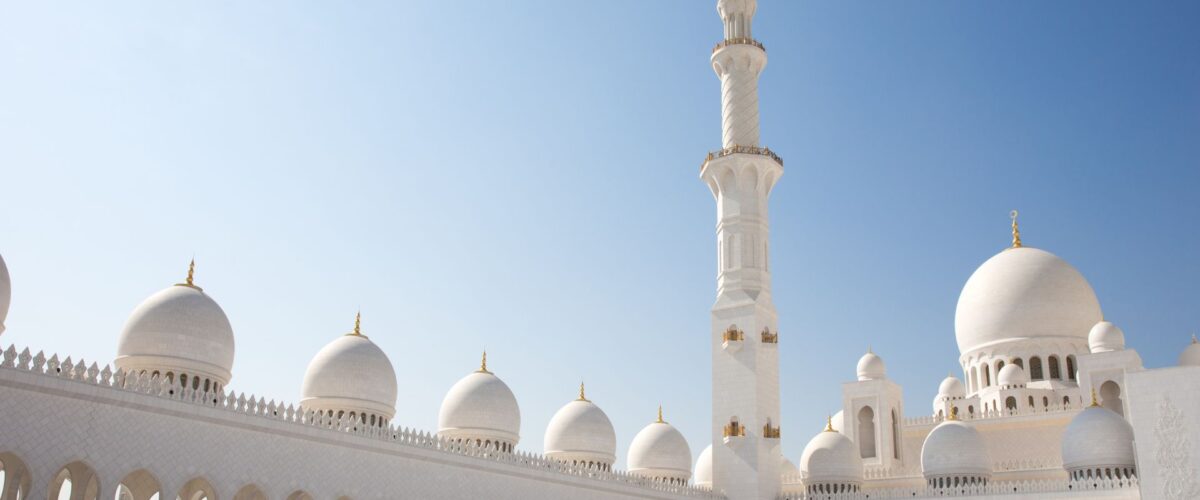
The Essence of Faith: Exploring the Foundations of Islamic Philosophy

Understanding Islam: Core Beliefs and Practices

Islam is one of the world’s major religions, with over 1.9 billion followers globally, known as Muslims. Founded in the 7th century CE in the Arabian Peninsula, Islam is based on the teachings of the Prophet Muhammad, regarded as the final prophet in a long line of messengers that includes figures like Abraham, Moses, and Jesus.

Core Beliefs of Islam

  1. The Oneness of God (Tawhid): Central to Islam is the belief in a single, indivisible God (Allah). This foundational concept emphasizes that Allah is merciful, omnipotent, and the creator of the universe.

  2. The Prophethood: Muslims believe that Muhammad is the last prophet. His teachings, recorded in the Quran, serve as the ultimate guide for humanity.

  3. The Five Pillars of Islam: These are the fundamental acts of worship that shape a Muslim’s faith and practices:

    • Shahada (Faith): The declaration of faith, professing that there is no god but Allah, and Muhammad is His messenger.
    • Salah (Prayer): Performing five daily prayers at specific times throughout the day.
    • Zakat (Charity): Giving a portion of one’s wealth to assist those in need, promoting social equality.
    • Sawm (Fasting): Observing fasting during the month of Ramadan to develop self-discipline and empathy for the less fortunate.
    • Hajj (Pilgrimage): Undertaking a pilgrimage to Mecca at least once in a lifetime if financially and physically capable.

Practices in Daily Life

  • Prayer (Salah): Muslims perform five daily prayers, which serve as a direct link to God and include specific physical movements and recitations.
  • Community and Charity: Engaging in community activities and helping those in need is heavily emphasized in Islamic teachings, nurturing a strong sense of community and responsibility.
  • Dietary Laws: Observant Muslims follow dietary laws known as Halal, which dictate what is permissible to eat and drink, enhancing spiritual and physical well-being.

The Quran and Hadith

  • The Quran: This holy text is considered the literal word of God as revealed to Muhammad. It is written in Arabic and covers various aspects of life, law, and morality.
  • Hadith: These are collections of the sayings and actions of Muhammad, offering guidance on daily living and ethical behavior.

Conclusion

Islam is a comprehensive way of life, offering spiritual, ethical, and social guidance. Its teachings promote moral responsibility, community welfare, and a deep connection to the divine.

Keywords for SEO Optimization

  • Islam beliefs
  • Five Pillars of Islam
  • Muslim practices
  • Quran and Hadith
  • Oneness of God

Trusted Resources for Further Reading

By prioritizing accurate information and including relevant keywords, this content aims to inform readers about the essential aspects of Islam while enhancing its visibility on search engines.

Spread of Faith: How Islam Reached Every Corner of the Globe

Understanding Islam: A Comprehensive Overview

Islam, one of the world’s major religions, encompasses a rich tapestry of beliefs, practices, and cultural influences. With over 1.9 billion adherents globally, it is essential to explore its foundations, teachings, and its impact on society.

What is Islam?

Islam is a monotheistic faith founded in the 7th century CE in the Arabian Peninsula. The term "Islam" means "submission" in Arabic, reflecting the core belief in submitting to the will of Allah (God). Followers of Islam are known as Muslims.

The Five Pillars of Islam

At the heart of Islamic faith and practice are the Five Pillars:

  1. Shahada (Faith): The declaration of faith, stating that there is no god but Allah and Muhammad is His prophet.
  2. Salah (Prayer): Muslims perform five daily prayers facing Mecca, fostering a direct connection with Allah.
  3. Zakat (Charity): A mandatory act of charity, where Muslims give a portion of their wealth to those in need.
  4. Sawm (Fasting): Observed during the month of Ramadan, fasting from dawn until sunset teaches self-discipline and empathy.
  5. Hajj (Pilgrimage): An annual pilgrimage to Mecca, required of all Muslims who are physically and financially able to undertake it.

The Holy Texts

The Quran is the holy book of Islam, said to be the literal word of God as revealed to Prophet Muhammad. It addresses moral guidance, legal principles, and spiritual philosophy. The Hadith, which records the sayings and actions of Muhammad, complements the Quran and helps in interpreting Islamic law.

Major Sects in Islam

Islam is primarily divided into two major branches:

  • Sunni: Making up about 85-90% of Muslims, Sunnis emphasize the role of consensus among scholars and community in interpreting Islamic teachings.
  • Shia: Comprising 10-15% of Muslims, Shia Islam places significant importance on the leadership and teachings of the Imams.

Islamic Contributions to World Civilization

From the Golden Age of Islam (8th to 14th centuries), Muslims contributed immensely to various fields such as mathematics, astronomy, medicine, and philosophy. Key figures like Ibn Sina (Avicenna), Al-Khwarizmi, and Rumi made lasting impacts on both Islamic culture and global knowledge.

Contemporary Islam

Islam today is characterized by its rich diversity, both in traditions and interpretations. While extremist groups have drawn attention to Islam for negative reasons, the majority of Muslims lead peaceful lives, contributing positively to their communities.

Conclusion

Understanding Islam is vital in today’s interconnected world. By appreciating its teachings, history, and cultural impact, one can foster a greater sense of tolerance and respect among different faiths.


SEO Optimization Strategies:

  1. Keyword Usage: Use relevant keywords such as "Islam overview," "Five Pillars of Islam," and "Quran teachings" throughout the content.
  2. Meta Description: Create an engaging meta description (e.g., "Explore the fundamental beliefs of Islam, its practices, and its historical impact on global civilization.").
  3. Headings and Subheadings: Organize the content using H2 and H3 tags for better readability and search engine indexing.
  4. Internal and External Links: Link to credible sources and related articles to enhance authority and user engagement.
  5. Content Freshness: Regularly update the article to ensure accuracy and relevance.

By following these guidelines, the content on Islam can reach a broader audience while providing valuable insights into one of the world’s most significant religions.

Muhammad’s Impact on Modern Faith: Shaping Islam from Its Roots

Understanding Islam: A Comprehensive Overview

Introduction to Islam

Islam is one of the world’s major religions, with over 1.9 billion followers, known as Muslims. It is founded on the belief in one God (Allah in Arabic), and its teachings are based on the Quran, which Muslims consider the literal word of God as revealed to the Prophet Muhammad in the 7th century CE.

The Pillars of Islam

Muslims adhere to five fundamental practices known as the Five Pillars of Islam:

  1. Shahada (Faith): The declaration of faith, asserting that there is no god but Allah, and Muhammad is His messenger.

  2. Salah (Prayer): Muslims are required to perform five daily prayers, facing the Kaaba in Mecca.

  3. Zakat (Almsgiving): This involves giving to charity and helping those in need, typically calculated as a percentage of one’s savings.

  4. Sawm (Fasting): During the holy month of Ramadan, Muslims fast from dawn until sunset, refraining from food and drink to cultivate spiritual reflection and self-discipline.

  5. Hajj (Pilgrimage): Every Muslim who is physically and financially able must undertake a pilgrimage to Mecca at least once in their lifetime.

Core Beliefs

Islam emphasizes several core beliefs:

  • Tawhid: The oneness of God, which is central to Islamic theology.
  • Prophets: Muslims believe in a line of prophets, including Adam, Noah, Abraham, Moses, Jesus, and Muhammad, who is regarded as the final prophet.
  • Angels: Belief in angels, created by God to perform various duties.
  • Day of Judgment: A belief in the eventual judgment of all souls, leading to eternal paradise or punishment.

The Quran and Hadith

The Quran is the central religious text of Islam, complemented by the Hadith—recorded sayings and actions of the Prophet Muhammad. Together, these texts guide Muslims in matters of faith, law, and personal conduct.

Islamic Law (Sharia)

Sharia, derived from the Quran and Hadith, encompasses various aspects of life, including moral conduct, legal principles, and social obligations. It plays a crucial role in everyday decisions for many Muslims.

Cultural Diversity in Islam

Islam is practiced globally, fostering diverse cultures and traditions. From the ornate mosques of Istanbul to the vibrant festivals in Indonesia, Islamic practices adapt to various cultural contexts while maintaining core beliefs.

Conclusion

Understanding Islam requires exploring its key principles, practices, and rich diversity. Through education and dialogue, misconceptions can be addressed, promoting a more inclusive society.


SEO Optimization Tips:

  • Keywords: Include relevant keywords such as "Islam," "Five Pillars," "Quran," and "Muslims."
  • Headings: Utilize headings (H1, H2, H3) effectively to organize content.
  • Meta Description: Write a compelling meta description summarizing the article for search engine previews.
  • Internal Links: Link to related articles on your website to keep readers engaged.
  • External Links: Reference authoritative sites (e.g., Islamic organizations, educational institutions) for credibility.
  • Mobile Optimization: Ensure the content is accessible and well-formatted for mobile users.

By focusing on clear, informative, and engaging content, you can attract and retain readers interested in learning more about Islam while improving your website’s SEO performance.

Youth in Islam: Navigating Faith and Modernity

Understanding Islam: A Comprehensive Overview

What is Islam?

Islam is one of the world’s major monotheistic religions, founded in the 7th century CE in the Arabian Peninsula. It is based on the teachings of the Prophet Muhammad, who is regarded as the last prophet in a long line of prophets that includes figures such as Abraham, Moses, and Jesus.

Core Beliefs of Islam

  1. Monotheism: At the heart of Islam is the belief in one God (Allah). This concept is central to the faith and is expressed in the declaration of faith, known as the Shahada: "There is no god but Allah, and Muhammad is His messenger."

  2. The Five Pillars of Islam: These are essential acts of worship and practice:

    • Shahada: The declaration of faith.
    • Salah: Performing the five daily prayers.
    • Zakat: Giving to charity and aiding the less fortunate.
    • Sawm: Fasting during the month of Ramadan.
    • Hajj: The pilgrimage to Mecca, which all Muslims must undertake at least once in their lifetime, if able.

  3. The Quran: The holy book of Islam, believed to be the literal word of God as revealed to Muhammad. It serves as the primary source of spiritual guidance for Muslims.

  4. Prophets and Messengers: Muslims believe in a long line of prophets, with Muhammad being the final messenger. Each prophet was sent to guide humanity.

  5. Afterlife: Islam teaches the belief in an afterlife, where individuals are accountable for their deeds. Heaven (Jannah) and Hell (Jahannam) are the two outcomes based on one’s faith and actions.

Diversity in Islam

Islam is not monolithic; it encompasses a rich tapestry of beliefs and practices. Major branches include:

  • Sunni: The largest denomination, representing about 85-90% of Muslims worldwide. Sunnis follow the teachings of the Prophet as recorded in the Hadith.

  • Shia: Comprising about 10-15% of the Muslim population, Shia Muslims follow a distinct interpretation of Islam, emphasizing the leadership of the Prophet’s family, particularly Ali, his cousin and son-in-law.

Islamic Practices and Community

  1. Mosques: Places of worship where Muslims gather for communal prayers, especially on Fridays. Mosques often serve as community centers for educational and charitable activities.

  2. Community and Charity: Charity (Zakat) is not just a pillar, but a community obligation. Muslims are encouraged to engage in social justice and help those in need.

  3. Interfaith Dialogues: Many Muslims participate in interfaith discussions to promote understanding and coexistence among diverse religious communities.

Conclusion

Islam is a profound and influential religion that shapes the lives of billions. Its core tenets emphasize faith, community, and moral responsibility. By fostering a deeper understanding of its principles, we can work towards greater harmony and respect among different cultures and religions.

Trusted Resources for Further Learning

SEO Tips for Optimization

  • Keywords: Use keywords like "Islam," "Muslim beliefs," "Five Pillars of Islam," and "Quran" throughout the content.
  • Meta Description: Craft a clear meta description summarizing the article for search engines and users.
  • Header Tags: Use header tags (H1, H2, H3) effectively to organize content and facilitate better readability.
  • Internal links: Include links to other relevant articles to improve site navigation and reduce bounce rates.

By following these practices, this content can be effectively optimized for search engines, providing valuable information to those seeking to learn more about Islam.

Five Pillars of islam

The Five Pillars of Islam: Foundations of Faith

Islam is a monotheistic faith that originated in the 7th century CE in the Arabian Peninsula. Followers of Islam, known as Muslims, believe in one God (Allah in Arabic) and follow the teachings of the Prophet Muhammad, who is considered the last messenger in a line of prophets that includes figures like Abraham, Moses, and Jesus.

Core Beliefs of Islam

  1. The Five Pillars of Islam: These are the foundational acts of worship and practice in Islam.  
    • Shahada: The declaration of faith, professing that there is no god but Allah and Muhammad is His messenger.
    • Salah: The performance of ritual prayers five times a day.
    • Zakat: The giving of alms to the poor, typically calculated as a percentage of one’s wealth.
    • Sawm: Fasting during the month of Ramadan from dawn until sunset.
    • Hajj: The pilgrimage to Mecca that every Muslim must undertake at least once in their lifetime if financially and physically able.
  2. The Quran: The holy book of Islam, which Muslims believe to be the literal word of God as revealed to Muhammad. It is written in Arabic and is divided into chapters (surahs).  
  3. Belief in Angels and Prophets: Muslims believe in a range of angels and that prophets were sent to guide humanity, with Muhammad being the final prophet.  
  4. Day of Judgment: Islam teaches that there will be a day of resurrection when all individuals will be held accountable for their deeds.

Major Branches of Islam

  • Sunni: The largest branch, comprising about 85-90% of the Muslim population. Sunnis follow the traditional teachings and practices of the Prophet Muhammad.
  • Shia: Making up about 10-15% of Muslims, Shia Islam emphasizes the leadership of Muhammad’s family, particularly Ali, his cousin and son-in-law.

The Role of Community in Islam

Community (Ummah) plays a vital role in Islam, emphasizing collective responsibility and mutual support among Muslims. This is observed in communal prayers, celebrations, and charitable giving, reinforcing social bonds and collective identity.

Resources for Further Learning

  • Books:  
      • “The Quran” (translated by M.A.S. Abdel Haleem)
      • “Islam: A Short History” by Karen Armstrong

Conclusion

Understanding Islam is crucial for fostering mutual respect and dialogue among various cultures and religions. As one of the world’s major religions, Islam offers a rich spiritual tradition that emphasizes community, compassion, and justice.

By engaging with accurate information and resources, individuals can gain a deeper appreciation of Islamic beliefs and practices, promoting an inclusive and informed society.